Studying in the United States
Talent and initiative
High school life: elective subjects, clubs, sport and the arts, and a lot of involvement in the school community. For students with initiative who want to get involved.
- Accommodation
- Host family or boarding
- Language
- English
- School year
- August or September to May or June
- From Spain
- North America · 6 to 9 hours behind*
- Paperwork
- F-1 student visa
*The time difference with North America varies by area and for a few days a year when the clocks change.
Why the United States
- A wide choice of electives to explore interests.
- Clubs, sport and the arts play a big part in school life, depending on the school.
- A different cultural experience, which calls for and builds independence.
Academic, sporting and artistic development
Sport, the arts, technology, communication and leadership. Not every activity is open to every student: we check this with each school.
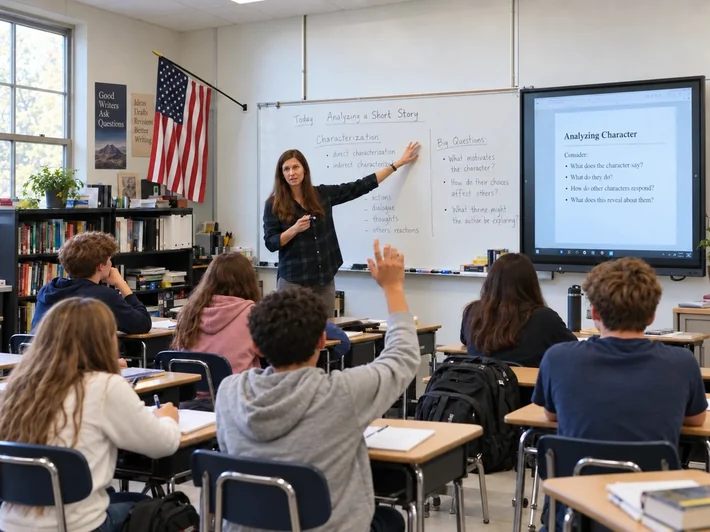
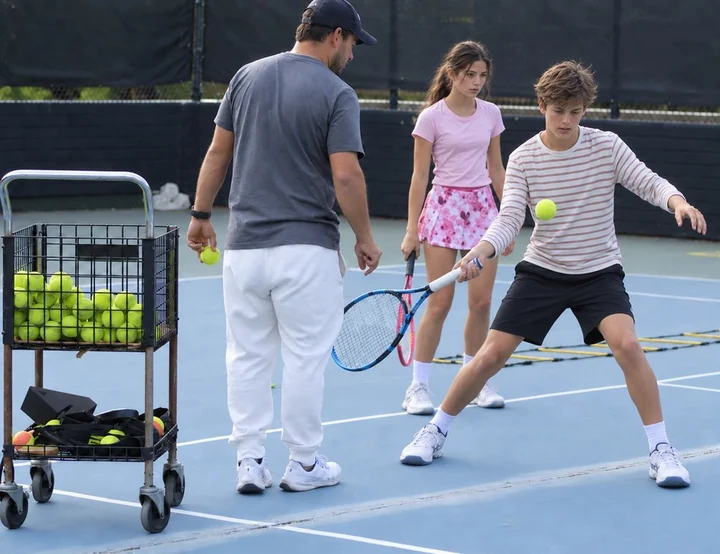
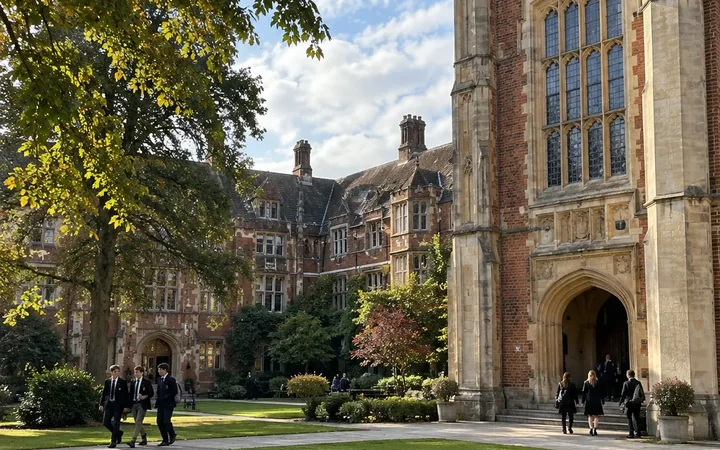
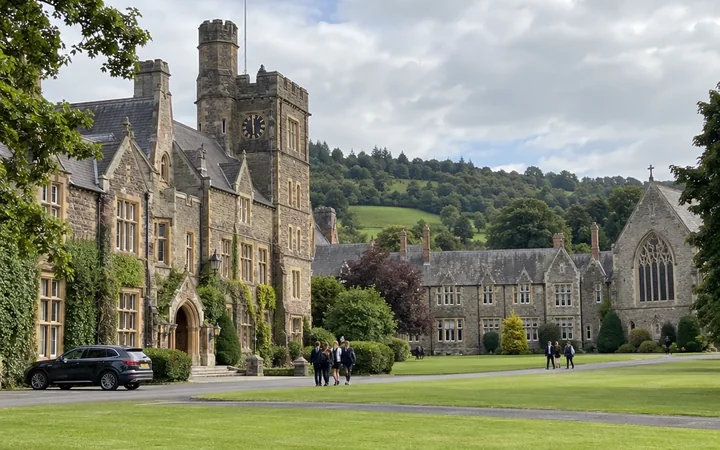
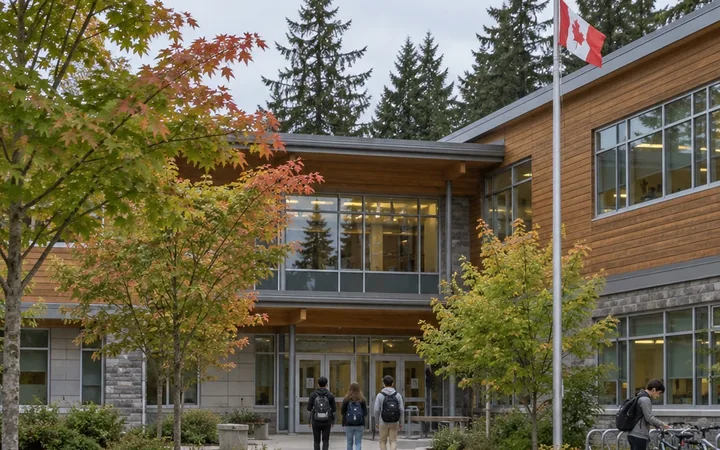
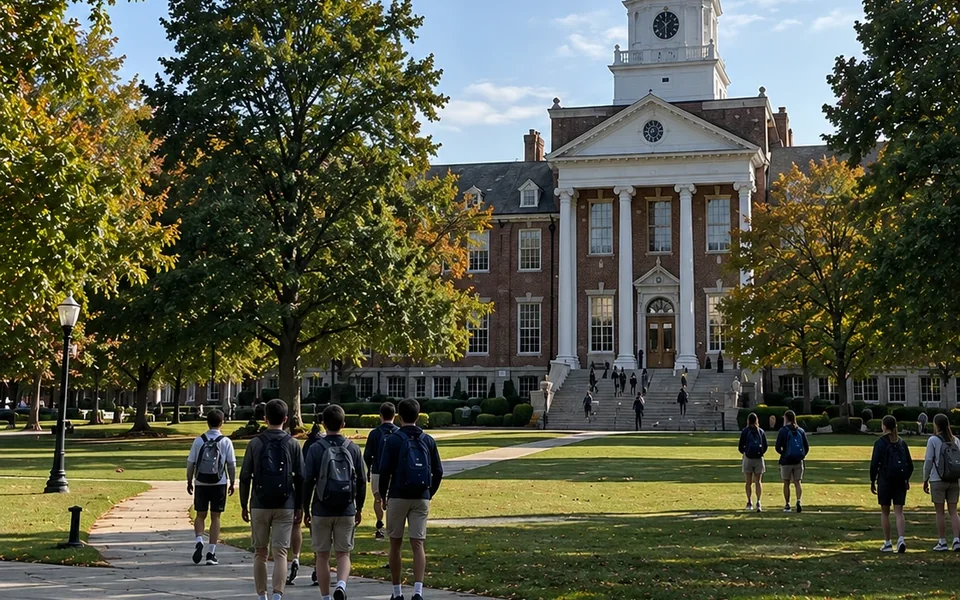
Illustrative photos of different schools and programmes: they do not show a specific school.
The education system, explained
- No national curriculum
- Education is mainly the responsibility of each state and district, which set curricula and graduation requirements.
- High school
- It usually covers grades 9 to 12. The diploma is the High School Diploma, awarded on completing the credits each state requires.
- AP courses
- Some schools offer AP courses: college-level subjects with an exam. Each school decides which.
A term or a full year?
On an F-1 visa, a student can stay at a public school for 12 months at most; at a private school there is no such limit. Availability by semester depends on the school.
Accommodation and daily life
Depending on the programme, with a host family or at a private boarding school. School life goes beyond lessons: clubs, sport and school events. It is worth checking transport and holidays.
It may suit your child if they…
Wants to explore their interests, develop their talents and take an active part in school life.
Reference areas
- New EnglandHistoric cities and campuses; cold winters.
- New York and the north-eastA lot of cultural life.
- CaliforniaLarge cities; mild climate on the coast.
- The Midwest and other regionsPlaces very different in size and climate.
These are for guidance: the school and its location are confirmed in your proposal.
Worth knowing
- Paperwork
- F-1 student visa. At public schools, 12 months at most, paying the full cost; at private schools, no such limit.
- Distance
- Because of the time difference, calls and visits need more planning.
- Coming back
- The year by age is not enough: subjects, credits and records all count.
- Recognition in Spain
- No recognition is needed to join any year of Primary or ESO in Spain; for Bachillerato, it is. We review each case.
Official sources consulted: Federal Role in Education · U.S. Department of Education · K-12 Students · Study in the States (DHS) · What is AP? · College Board
How we support you
First we get to know your child; then we look for schools that fit and explain why. We support you before, during and after the stay, depending on the service you choose.
See how we workQuestions about United States
Public or private school?
On an F-1 visa, the maximum at a public school is 12 months and the full cost must be paid; at a private school there is no such limit. We weigh it up according to the length you want.
What are AP courses?
College-level subjects with an exam, offered by some schools. They are not a high school diploma.
Will they be able to play on a school team?
It depends on the school, the sport and its rules. We check before choosing.
Which school could suit your child?
Five questions to get to know your child better and give you personal guidance.
A member of our team will look at your answers.
The first consultation is free and with no commitment. If you then want us to support you with choosing a school and admission, we explain the service, its fees and its terms before we start.
Prefer to write to us? info@interlanguage.es